When Relief Starts to Feel Like a Design Question
Some products arrive as objects, and some arrive as symbols for how carefully people now think about comfort, movement, and the rituals of getting through a day.
There is something revealing about the way people talk about comfort now. Not comfort in the grand, luxurious sense, but the quieter version: the ability to move through a morning without bargaining with your body, to sit, stand, bend, or walk without turning every small action into a negotiation.
Certain names enter that conversation not as dramatic promises, but as signals. They hint at a world where relief is no longer imagined as a single breakthrough moment. Instead, it is treated like part of a larger design question: how do people preserve a sense of ease in ordinary life when ordinary life keeps asking so much of them?
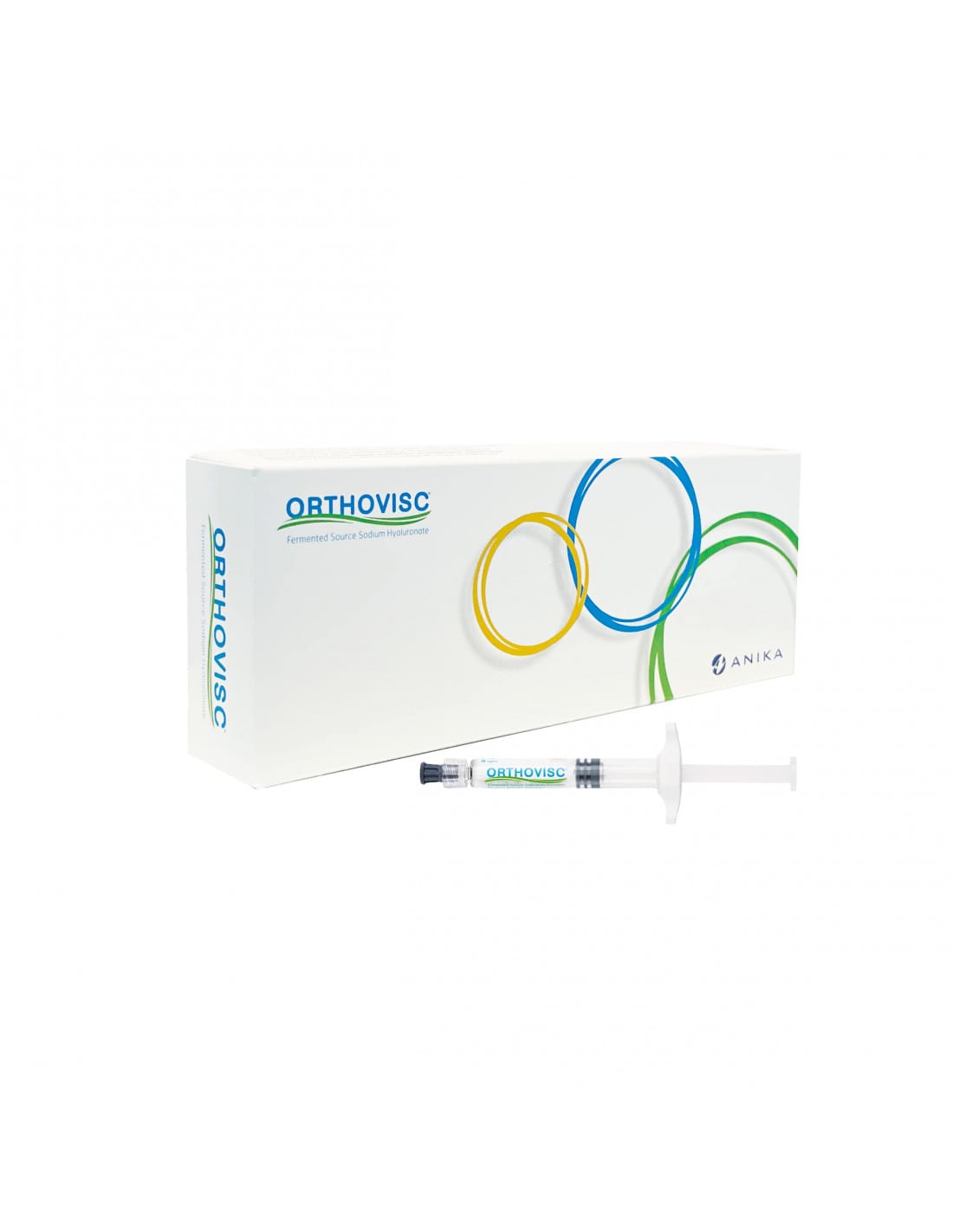
That is the feeling behind coming across something like Orthovisc. Even without dwelling on technical details, the name belongs to a category of modern objects that carry an unusual emotional weight. They are products, yes, but they also stand in for hope, patience, routine, and the persistent wish to feel more at home in one’s own movements.
The new language of maintenance
For a long time, many people spoke about the body in extremes. You were either fine or unwell, active or sidelined, effortlessly moving or visibly struggling. That older language left little room for the vast middle ground where most lives actually happen.
Now the conversation feels different. People are more likely to notice the in-between states: stiffness that lingers in the background, hesitation before stairs, the subtle calculations that shape plans without announcing themselves. In that atmosphere, products associated with support or restoration become part of a wider cultural vocabulary. They are not just things on a shelf. They are evidence that modern life has made room for nuance.
This shift says something important. We are less enchanted by heroic ideas of pushing through everything. We are more interested in sustainability, pacing, and what it means to make life feel livable over time. That change in tone is easy to miss, but once you notice it, it appears everywhere.
A small object, a larger mood
What makes these products interesting is not only what they are intended to do, but what they represent. They live at the intersection of science, expectation, and everyday vulnerability. That intersection has a very specific mood. It is practical, but not cold. Hopeful, but not theatrical.
There is also something deeply contemporary about the way people encounter them. Often it happens in fragments: a name glimpsed online, a box seen in a clinic, a mention in conversation, a passing recommendation spoken with the careful tone people use when discussing anything tied to comfort. The discovery rarely feels loud. It feels incremental, like adding one more piece to a personal map.
And that map matters. As people become more attentive to how they feel from one week to the next, they also become more aware that relief is rarely just physical. It affects mood, confidence, spontaneity, and even identity. The person who feels uncertain about motion can begin to organize life around avoidance. The person who regains some ease may not announce it, but their world can subtly widen.
Why names like this linger
Some product names vanish as soon as you hear them. Others stay in the mind because they seem to belong to a bigger conversation than commerce. They suggest care, repetition, deliberateness. They sound less like quick fixes and more like entries in the long diary of maintenance.
That may be why so many health-adjacent products take on a symbolic quality. They become shorthand for a stage of life, a season of adjustment, or a period when someone is paying closer attention than usual to the mechanics of everyday living. A routine that once felt invisible suddenly becomes visible. A step, a chair, a car ride, a walk through a store: each one gains texture.
There is nothing especially glamorous about that realization, but it is deeply human. Much of adulthood is learning that quality of life is built from modest repetitions. Ease is rarely abstract. It is local. It lives in joints, habits, timings, and tiny decisions that shape the emotional weather of a day.
Not dramatic, just meaningful
Maybe that is the most striking thing. So much of the language around wellness in public culture is oversized, radiant, and full of transformation. But many people are not looking for reinvention. They are looking for steadiness. They want their day to feel less interrupted by friction.
Objects associated with support enter that quieter aspiration. They do not belong to the fantasy of becoming a new person. They belong to the more grounded desire to remain oneself with less strain.
That is a modest ambition, but not a small one. In some ways, it may be the more honest dream. Not perfection, not invincibility, just a little more room inside the day.
And perhaps that is why products like this catch the eye. They remind us that care is often less about spectacle than about adjustment. Less about conquering the body than about listening to it. Less about grand solutions than about making the ordinary feel possible again.