When Routine Starts Speaking in Initials
Some names feel less like products and more like signals of how modern life packages patience, maintenance, and the hope of smoother days.
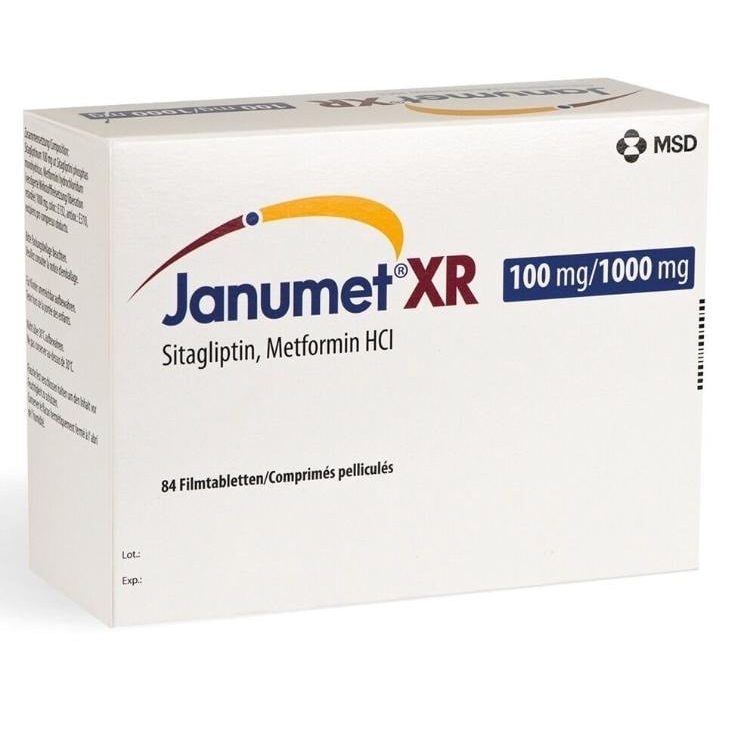
There is something strangely revealing about the language of modern routine. The names that float past us in pharmacies, browser tabs, and kitchen conversations often sound less like objects and more like compressed little philosophies. A few letters, a clipped ending, a promise hidden in tone rather than detail. Even a quick glance at a product page can feel like stumbling into a much larger story about how people now live with maintenance, repetition, and the quiet wish that life might become more manageable if it can just become more consistent.
The poetry of shorthand
We live in an age that loves abbreviation. Initials stand in for institutions, feelings, habits, and whole systems of care. Somewhere along the way, shorthand stopped feeling cold and started feeling oddly intimate. It suggests familiarity. It says, this has already entered the routine; this no longer needs a full introduction.
That is what makes product language so fascinating from a cultural distance. It rarely speaks in complete sentences. Instead, it hints. It trims. It smooths. Names become compact enough to fit into the speed of a weekday, the rhythm of a refill, the shape of a note left on a counter.
And maybe that is why these names can feel bigger than they are. They are not simply labels. They are part of the design of modern attention.
A culture built around steadiness
So much of contemporary life is organized around the pursuit of evenness. Not perfection, not transformation, just fewer spikes, fewer surprises, fewer disruptions. The ideal day, for many people, is not dramatic. It is workable. Predictable enough to move through. Gentle enough not to demand too much explanation.
That desire shows up everywhere. In calendars color-coded to reduce friction. In meal planning. In subscriptions that arrive before we have to think about them. In language that leans toward continuity instead of interruption. We are surrounded by systems that try to soften the edges of living.
Seen this way, even the naming style of a health product becomes a cultural clue. It reflects a broader preference for calm engineering: something streamlined, familiar, almost invisible. The object itself matters, of course, but the frame around it matters too. People increasingly want their routines to feel less like emergencies and more like architecture.
The quiet emotional life of maintenance
Maintenance has never been especially glamorous. It does not photograph like breakthrough or reinvention. It lacks the sparkling drama of a new beginning. Yet maintenance may be one of the most honest themes of adult life.
To maintain is to accept that many important things are not solved once. They are revisited. Carried. Adjusted. Remembered again tomorrow.
There is tenderness in that, even if consumer language often tries to make it sound sleek. Behind every efficient name is a more human scene: someone organizing a bag before leaving the house, someone learning the cadence of an ordinary day, someone trying to make room for health without making it the only story in the room.
This is where the cultural conversation becomes more interesting than the product itself. What we are really looking at is not just a label, but a social mood. A collective preference for tools and systems that fit into life without demanding a spotlight. The modern dream is often not to become someone new. It is to keep being oneself with a little less disruption.
Why names like this linger
Some names stay in the mind because they are beautiful. Others linger because they sound engineered to belong there. They carry the texture of systems, reliability, and repetition. They are built to travel easily through speech, to survive in memory, to become part of domestic vocabulary.
That can seem impersonal at first. But there is also something deeply personal about the things we allow into the background of our lives. The background is where trust lives. It is where habits become invisible enough to feel natural.
A name that sounds streamlined may be doing more than branding. It may be participating in a larger emotional negotiation: how to make care feel less alarming, less intrusive, more like one thread among many. Work, errands, texts, dinner, sleep, repeat. Care folded into the pattern rather than placed outside it.
The design of reassurance
What stands out in this corner of modern life is not loud persuasion but tonal reassurance. The message is rarely theatrical. It is subtler than that. It suggests continuation. It suggests compatibility with ordinary time.
And perhaps that is why these product names can become oddly symbolic. They tell us something about the era that produced them: a time preoccupied with optimization, yes, but also with quiet endurance. A time when people are less enchanted by grand declarations and more drawn to whatever seems sustainable.
Underneath the packaging and the clipped syllables is a very old hope: that daily life can be made steadier, softer, more livable. Not miraculous. Just more navigable.
That is a modest hope, but maybe modest hopes are the ones that shape our days most deeply. They are the hopes that fit in drawers, on shelves, inside routines, tucked into language so familiar it almost disappears. And once something disappears into routine, it often says more about a culture than anything loudly advertised ever could.