When Two Similar Choices Start to Feel Very Different
Sometimes the hardest part isn’t the option itself, but the meaning we quietly attach to one name over another.
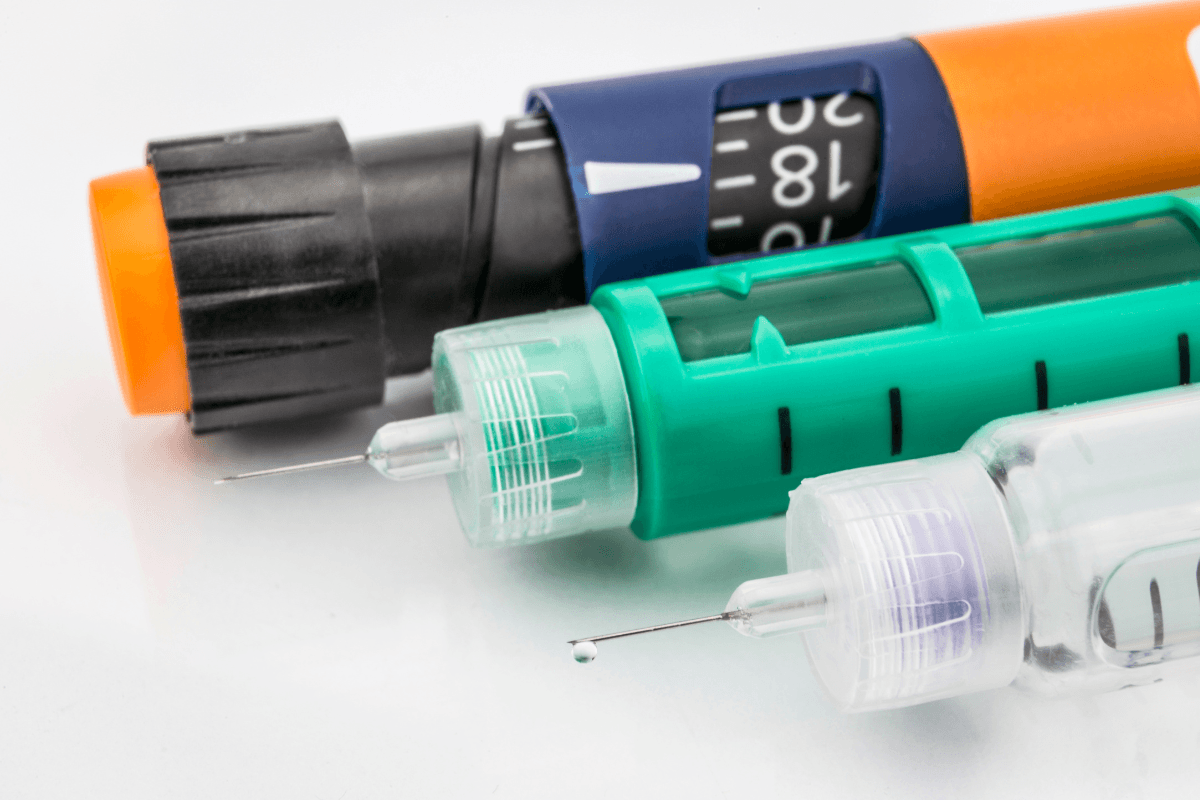
There is a particular kind of modern decision that looks simple from a distance and strangely intimate up close.
Two names appear side by side. They seem to belong to the same category, the same shelf, the same conversation. On paper, the difference can look narrow enough to fit inside a sentence. In real life, though, the comparison rarely stays on paper. It slips into routines, moods, preferences, memories, and the small private rituals people build around feeling steady.
That is why topics like this comparison often attract more attention than their technical wording suggests. They are never just about products. They are also about the human habit of searching for reassurance when two familiar options stand close enough to blur.
The drama of near-identical choices
We tend to imagine decisions as dramatic when the options are obviously different. One path is bold, the other cautious. One is expensive, the other practical. One is new, the other trusted. But the more interesting tension often appears when the options feel almost interchangeable.
That is when the mind starts doing something subtle. It begins to look for tiny signals and turns them into stories. A name sounds more approachable. A label feels more recognizable. Someone remembers what a friend once said. A person notices which option seems to come up more often in conversation, and suddenly familiarity starts masquerading as certainty.
In those moments, comparison becomes less like a spreadsheet and more like reading the room.
Everyday life has its own logic
People rarely experience a choice in the abstract. They experience it in kitchens, at work, while traveling, while distracted, while tired, while trying to keep the day from spilling over. The “better” option in theory may not feel like the better option in a lived routine. Convenience, confidence, habit, and emotional comfort all have a quiet vote.
This is true across almost everything we rely on regularly. Once something enters daily life, it stops being just a category and becomes part of personal choreography. A routine is built not only on function, but on predictability. People often want the thing that feels easier to remember, easier to trust, easier to fold into the shape of an already crowded day.
That doesn’t make the decision irrational. If anything, it makes it more recognizably human.
Names carry more weight than we admit
Brand names and familiar labels have a strange cultural power. They can sound sleek, reassuring, clinical, old-fashioned, modern, gentle, or serious, even before anyone explains anything about them. We like to think we respond only to substance, yet language gets there first.
A comparison between two established names can reveal how much meaning people attach to tone and recognition. One name may feel like the standard. Another may feel like the alternative, even if that impression is built more from repetition than from deep understanding. People absorb these cues from ads, conversations, online searches, packaging, and the social weather around health itself.
In other words, comparison is never only comparison. It is also branding, memory, and atmosphere.
The wish beneath the question
Beneath many side-by-side comparisons is a wish that is easy to recognize and harder to say out loud: I want fewer surprises.
That wish is not especially dramatic, but it is powerful. People are often less interested in winning some abstract contest between options than in finding a path that feels manageable. They want to know what will fit, what will feel familiar, what will make the day seem less fragile.
There is something moving about that. We often talk about choice as freedom, but much of the time choice is really a search for steadiness. The ideal decision is not glamorous. It simply makes life feel less jagged.
Why these comparisons keep resurfacing
Some topics keep coming back because they belong to a larger cultural mood. We live in an age of endless side-by-side evaluation: tabs open, reviews stacked, opinions sorted into neat columns. Every decision now arrives with the expectation that there must be a best answer if only we compare hard enough.
But lived experience resists that tidy ending. What works elegantly in a chart may feel different in the rhythm of ordinary life. That gap between formal comparison and personal fit is where these conversations continue to breathe.
And maybe that is why they remain compelling. Not because people love technical distinctions for their own sake, but because they recognize themselves in the search. Two similar names become a mirror for a much older question: how do we choose when what we really want is not perfection, but trust?
Perhaps the most honest thing about these comparisons is that they reveal how much daily life depends on quiet alignment. Not spectacle. Not a breakthrough. Just the relief of something fitting well enough to stop demanding attention.
That kind of fit can look small from the outside. From the inside, it can feel like everything.
https://canadianinsulin.com/articles/novolog-vs-humalog-insulin-which-is-the-better-option-for-you/