Where Celebration Meets Caution
Some choices feel ordinary until two familiar habits share the same evening and suddenly ask for more attention than expected.
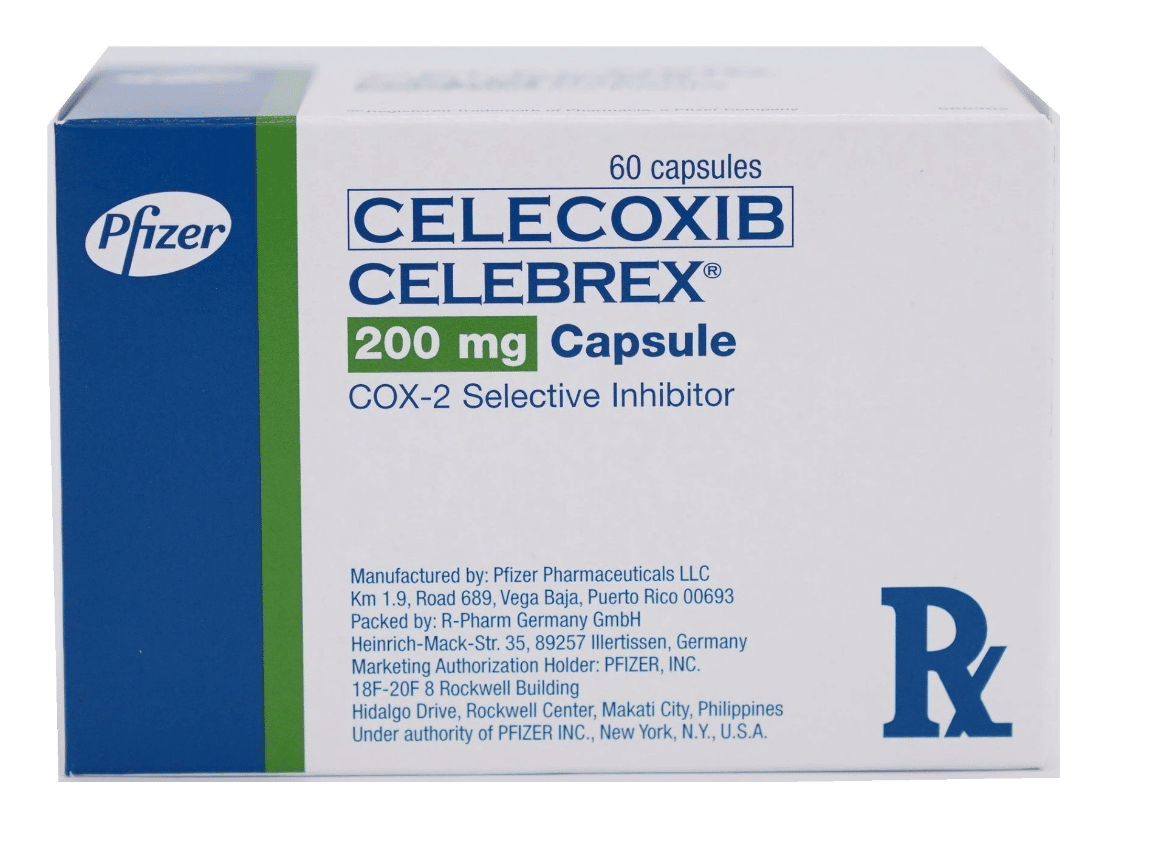
There is something strangely modern about the way we divide our lives into separate categories: relief over here, leisure over there, routine in one corner, celebration in another. Most days, those categories sit politely apart. Then a question appears—quietly, almost casually—about whether two ordinary parts of life really belong in the same moment.
That is why conversations around pain relief and alcohol tend to feel larger than the labels involved. They are rarely just about a product and a drink. They are about timing, judgment, mood, habit, and the assumptions people make when something is common enough to seem harmless by default.
The ordinary nature of the dilemma
What makes this topic interesting is not drama but familiarity. A person may be dealing with discomfort, trying to preserve a sense of normalcy, and also moving through a social world where a glass at dinner or a drink at an event barely registers as a decision. The tension is subtle. Nothing about the scene looks unusual. That is exactly why it invites reflection.
The modern wellness conversation often splits into extremes. One side treats every choice like a crisis. The other treats everyday combinations as too mundane to examine. Real life sits somewhere in the middle, where people are not careless so much as busy, distracted, optimistic, or simply used to habits that rarely announce themselves.
Familiar things can still ask for respect
Part of the cultural confusion comes from the word familiar. Familiarity creates emotional shorthand. If something is commonly prescribed, commonly discussed, or commonly consumed, it can start to feel self-explanatory. But familiarity is not the same thing as simplicity.
That gap matters. It shows up whenever people assume that because a decision feels small, it must also be uncomplicated. In reality, the smallest decisions often borrow their meaning from context: how someone feels that day, what else is going on, what kind of evening it is, whether the body already seems a little off, whether the plan is calm or unpredictable.
This is why questions about combination and timing linger in the background. They are less about alarm and more about respect for the fact that bodies do not always negotiate on our preferred schedule.
Social life has a way of making choices feel lighter
There is also the social atmosphere around alcohol itself. It is often framed as punctuation for a moment—something that softens the edges of the day, marks a celebration, or helps a gathering feel complete. In that setting, hesitation can feel out of step with the room. Caution rarely gets the same glamorous framing as spontaneity.
And yet many people know the feeling of pausing anyway. Not dramatically. Just a mental check: Is this one of those moments where ordinary things overlap in a way that deserves more thought?
That pause is interesting because it reflects a broader shift in how people think about health. More and more, the conversation is not about perfection. It is about awareness. About noticing that the line between routine and risk is often crossed not through recklessness, but through autopilot.
A quieter kind of decision-making
There is an understated maturity in not treating every choice as binary. Not everything is a clear yes or no in the emotional sense, even when someone wants certainty. Sometimes the real insight is simply realizing that context matters more than convenience would like.
Questions like these tend to surface in private, often late in the day, when plans are already in motion and someone wants reassurance without turning the moment into a lecture. That private quality is worth acknowledging. Health decisions are often imagined as dramatic turning points, but many of them happen in the soft glow of ordinary life—in kitchens, at restaurant tables, while reading labels too quickly, while deciding whether the evening is as uncomplicated as it first seemed.
A brief look at the discussion that sparked this thought shows why the subject stays relevant: it sits exactly at the intersection of routine comfort and social ease.
Why this topic keeps returning
Some topics repeat because they are sensational. Others repeat because they are human. This one belongs to the second category. It returns because people are constantly balancing relief with enjoyment, caution with convenience, and personal well-being with the desire to feel normal.
There is no grand metaphor required, though one almost appears on its own: modern life is full of overlaps. Work overlaps with rest. Stress overlaps with celebration. Self-care overlaps with social expectation. We move through these layered spaces every day, and not every overlap is seamless.
That may be the most useful way to think about a question like this—not as a niche concern, but as part of a larger pattern. The details may change from person to person, but the deeper theme remains the same: ordinary choices deserve a little more attention when they begin to share the same hour.
And perhaps that is the quiet lesson hidden inside so many seemingly simple health questions. They are not always asking for fear. Often, they are asking for awareness. Not panic, not obsession—just the kind of attention that keeps everyday life from becoming too automatic to notice.
https://borderfreehealth.com/celebrex-and-alcohol-interaction/