Why Do Some Mornings Feel Like a Gentle Agreement
A quiet look at why certain mornings seem to cooperate with us, and how small rituals can make the day feel a little more inhabited.
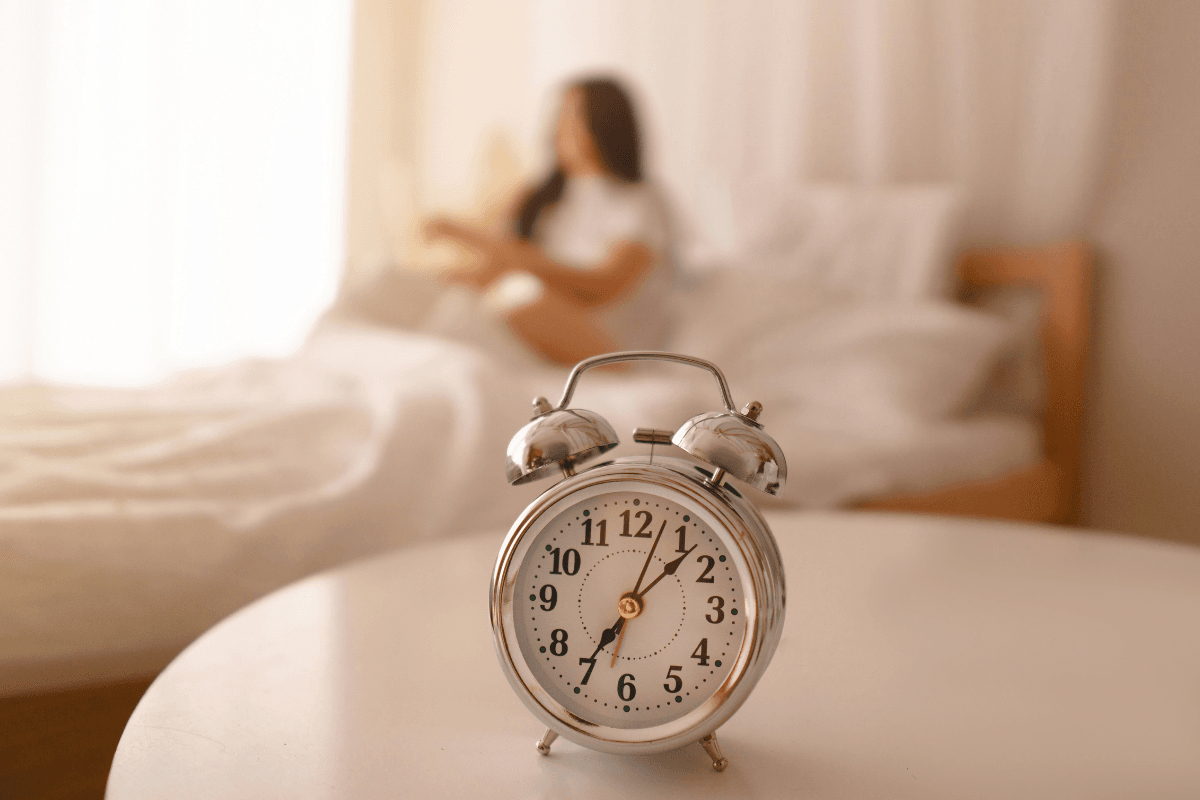
Some mornings arrive like a negotiation. The alarm sounds, the room is still half-shadow, and the day waits at the edge of the bed like a list of things already in motion. Other mornings feel surprisingly different. Not easier, exactly. Just more cooperative. The first hour seems to fit the person living it.
That difference is why morning routines keep returning as a cultural obsession. We talk about them as if they are tiny architectures of hope: the glass of water, the open window, the unhurried coffee, the few minutes before notifications begin their campaign. None of these gestures is especially dramatic on its own. But together they suggest something people are always chasing without quite naming it — a beginning that feels chosen rather than inherited.
There is something revealing in that desire. A morning routine is never only about productivity, despite the way the internet sometimes dresses it up in polished language and tidy images. It is also about mood, identity, and the strange wish to meet yourself before the world does. A person standing in a kitchen at seven, waiting for a kettle to boil, is not merely preparing a drink. They are rehearsing a tone for the day.
The appeal of a repeatable beginning
Routines are often described as discipline, but that word misses the softer side of them. The routines people actually keep are usually the ones that feel less like a command and more like a familiar room. They remove a little friction. They create a sequence that the body recognizes before the mind has fully caught up.
This may be why even very simple rituals carry such emotional weight. Making the bed, stepping outside for a minute of air, stretching by habit, putting on music low enough that it feels like atmosphere rather than entertainment — these acts are modest, but they signal continuity. They tell us that the day does not have to begin in chaos just because the wider world often does.
There is also comfort in the fact that morning routines are deeply personal while still being universally legible. Nearly everyone understands the image of someone trying to start well. It sits somewhere between self-respect and self-invention. We recognize it because we have all, at one point or another, wanted a cleaner opening scene.
More atmosphere than achievement
The most interesting thing about morning rituals may be that people rarely remember them as a checklist. They remember the feeling around them. The quiet. The sense of not rushing. The brief illusion that time is wider than it turns out to be by midafternoon.
That is why the conversation around mornings often outgrows the practical details. It becomes aesthetic, even philosophical. The morning stands for possibility in a way that evening does not. Evening allows reflection, but morning offers authorship. It says: before the messages, before the errands, before the many small claims of ordinary life, there is a chance to set a mood.
Seen that way, the popularity of morning routines makes perfect sense. They are less about optimization than about tone management. People are trying to influence not just what they do, but how the day feels while it is happening.
The rituals we borrow
Of course, many routines are inherited from culture before they are ever chosen by an individual. We pick them up from parents, roommates, films, wellness trends, office habits, and the soft pressure of what a “good” life is supposed to look like. Some people wake early because it feels noble. Some linger because slowness feels like resistance. Some write in journals not because they are naturally reflective, but because the act itself lends shape to otherwise scattered thoughts.
That doesn’t make these rituals artificial. Borrowed habits often become real through repetition. A morning practice can start as imitation and end as recognition: this, somehow, suits me.
There is a useful humility in admitting that. Few people invent their mornings from scratch. Most of us are assembling them from fragments we’ve admired, tested, abandoned, and quietly reclaimed. In that sense, routines are small autobiographies written in recurring actions.
For a more direct look at the broader conversation around starting the day well, the source that sparked this reflection can be found here.
What a good morning really promises
Perhaps the real allure of a good morning is not that it guarantees a good day. Life is too unruly for that kind of bargain. The inbox still fills. Plans still change. Energy still dips. But a steady opening can alter the texture of what follows. It gives the day a first sentence that sounds like your own voice.
And maybe that is enough.
Not perfection. Not mastery. Just a beginning with some intention in it.
The routines that endure are rarely the most impressive ones. They are the ones a person can return to without drama. The ones that make ordinary life feel slightly less accidental. A lamp switched on before sunrise. A few pages of reading. A short walk. A breakfast made without hurry. Tiny acts, really. Yet they carry a quiet message: the day may not be fully under control, but it can still be met.
Some mornings will always resist that effort. They will be jagged, late, distracted, noisy from the first minute. But the appeal of a morning routine has never been that it works like magic. Its appeal is more human than that. It offers a gentle form of participation in one’s own life.
And on many days, that is what starting right really means.
https://medispress.com/health-hub/healthy-morning-routines-how-to-start-your-day-right/