Why We Reach for Simple Names in Complicated Moments
A quiet look at why people lean on familiar labels when health language feels bigger than everyday speech.
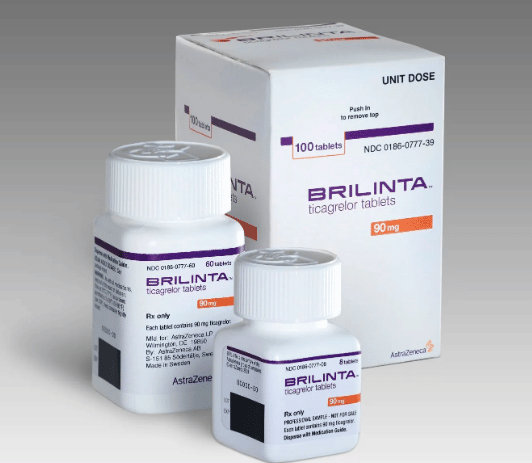
There is something revealing about the way people search for health information. The first instinct is rarely poetic. It is usually practical, almost blunt: give me the simple version, the phrase I have heard before, the label that lets me place this unfamiliar thing into a drawer my mind already recognizes.
That is why questions framed in plain terms can feel so human. They are not only about a product, a category, or a technical distinction. They are about the need to make sense of a situation quickly when the emotional weather is already unsettled. A person is not always looking for a textbook. Sometimes they are looking for language that feels survivable.
In that light, a question like the one raised in this plain-language discussion feels less like a request for strict definition and more like an attempt to reduce friction. The vocabulary of care is full of terms that sound formal, distant, and slightly overlit. Everyday speech tries to soften that brightness. It reaches for shorthand.
The comfort of a familiar label
We do this in every part of life. We rename complicated technology with casual nicknames. We reduce financial systems to household metaphors. We describe emotional states with weather, weight, and temperature because exactness can be exhausting.
Health language is no different. People often lean on broad phrases not because they want to be careless, but because they want to belong in the conversation. A familiar label creates a bridge. It says: I may not know the full map, but I know roughly what country we are in.
That instinct is easy to underestimate. From the outside, shorthand can look imprecise. From the inside, it can feel like relief.
And yet there is a subtle tension here. The very words that make a topic feel approachable can also flatten its edges. They help us step into the room, but they do not always describe everything inside it. That does not make them useless. It just makes them human.
Plain language is not the same as small thinking
There is a quiet dignity in wanting things explained clearly. For a long time, specialized language carried an aura of authority, while plain language was treated as a watered-down version of the real thing. But everyday readers know better. Clear wording is not lesser. It is often harder, more generous, and more honest about what people actually need in the moment.
When someone asks whether one thing can be thought of in the same bucket as another, they are usually doing more than categorizing. They are building a story they can remember. They are trying to connect a name on a package, a conversation in a waiting room, a phrase heard from a relative, and the general atmosphere of concern that surrounds anything related to the body.
That kind of question sits at the intersection of language and emotion. It reflects a wish for coherence. Not perfect mastery, just coherence.
The search bar as a mirror
A search query can be surprisingly intimate. It shows us how people think when nobody is grading their wording. No polished vocabulary, no formal presentation, just the phrase that comes naturally when someone wants clarity fast.
That is why these kinds of questions often reveal more than the answer itself. They show what people assume, what comparisons feel available to them, and what kinds of explanations seem approachable. They also show how much health communication depends on translation. Not translation between languages, necessarily, but between worlds: the professional world, the domestic world, the worried late-night world.
In one world, terminology is carefully separated. In another, life is moving quickly, and people want to know where a thing belongs in their mental landscape. The distance between those worlds is where so much confusion lives.
Naming as a form of reassurance
Sometimes the simplest phrase is really a request for steadiness. If I can name this, perhaps I can worry a little less. If it fits a category I have heard before, perhaps it will feel less unknown.
This does not mean people want to oversimplify serious subjects. Often, they are just trying to make the first step less intimidating. A broad term can act like a handrail. You may not stay there forever, but it helps you move forward.
There is something worth respecting in that. The urge to understand through familiar words is not laziness. It is adaptation. It is how people absorb difficult information while still carrying groceries, answering texts, making appointments, and pretending the day is normal.
So much of modern health reading is really about translation under pressure. We want language that is calm enough to enter, but accurate enough to trust. We want complexity without being overwhelmed by it. We want names that guide rather than intimidate.
Maybe that is why plain-language questions endure. They remind us that understanding is not a performance. It is a process, and often a vulnerable one. People are not always asking for the most technical answer first. Sometimes they are asking for a doorway.